
ABN: 86150741567
Facilitating Conversations can support you in visioning, planning, building relationships, working as a team, thinking together, creating possibilities, solving problems and/or developing facilitation skills, wherever you are working, living and playing.
Professional development
Conversations about education, learning, children and childhood are opportunities for schools, centres, administrators, teachers, educators and assistants to think about teaching and learning, innovations and challenges.
Facilitating conversations for professional development means, for example:
- workshops in schools, centres and other locations about learning, SchemaPlay, Inquiry-led learning, the Early Years Learning Framework, and inspirations from Reggio Emilia
- workshops for leaders and aspiring leaders
- basic and advanced skills training for facilitators
- workshops about co-facilitation
- creating university and VET course and unit outlines
- mentoring individuals.
Organisational development
Conversations in organisations can help people assess community needs, create strategic plans, share responsibilities for a project between a board of management and staff, develop policies and procedures, resolve conflicts and evaluate the work.
Facilitating conversations in an organisation means, for example:
- strategic planning through storytelling, appreciative inquiry, scenario planning or inquiry
- helping people (including children and young people) to be involved in decision-making and be heard
- producing documentation to support the work of the organisation.
Community development
Conversations in communities can help people connect, develop relationships and create community. They reduce isolation and mistrust and increase connectedness and trust.
Facilitating conversations in communities means, for example
- Engaging communities in discussions about services
- Supporting conversations about children, play, sibling rivalry, child development, the strengths of ADHD and guiding children’s behaviour.
Product development
Products that are useful to systems, schools, teachers, trainers and assistants need to incorporate current theoretical and practical information, ideas, opinions and perspectives. This requires practitioners and experts to have conversations.
Facilitating conversations for product development means, for example:
- talking with teachers, creating materials and reflecting with teachers about the materials as they implement them (for example: Aussie Lunch-Box World On-Line, Count Us In! Disability Awareness, Fundamental Movement Skills, Goodbye Graffti)
- talking with people in organisations, creating materials and modifying materials in response to feedback (for example Good Food for New Arrivals).
Speeches and articles
Conferences, seminars, forums and articles can be a starting point for conversations. They enable people to ‘dip into’ a wider variety of ideas and information, to gain an overview of a subject or area or to reflect on their own practice.
Even in a large group, speeches can include facilitative processes that create and support collegiality, membership and communities of practice.
Facilitating conversations through speeches and articles means, for example
- facilitating conference proceedings (for example: REAIE 2020 Conference, 2024 Play Matters Collective World Cafe)
- keynote addresses (for example: EYES 2010 Conference)
- workshops and presentations (too many to name or list!).
Advocacy
Marie has worked with individuals, groups and professional associations to advocate for children and childhood, teaching and learning and the professionalisation of the teaching profession. Facilitating conversations through advocacy means, for example:
- Submissions to government
- Participation in reference groups
- Bringing individuals and groups together to write submissions, “State of” Reports, petitions and articles.
Call Marie to make your conversations easier: 0409 034 692
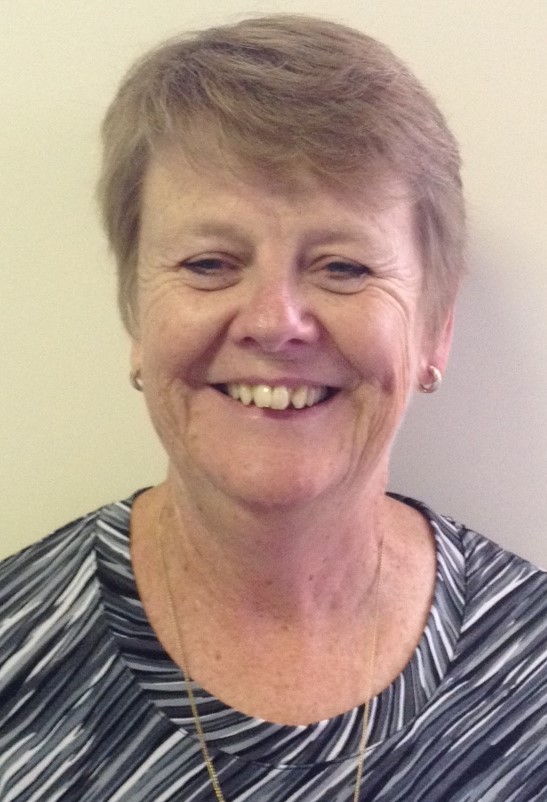
Marie Martin
Marie is a facilitator of conversations about learning, teaching, facilitation, research, training, relationships, community and organizations.
Marie completed a PhD with the thesis Understanding the Lived Experience of Co-facilitation: A Phenomenological Approach as well as authoring a wide variety of curriculum materials and facilitation tools.
Marie has a Master of Arts (Education), Diploma of Vocational Education and Training, Diploma of Training Design and Development and Diploma of Leadership and Management.
Marie is an IAF (International Association of Facilitators) Certified Professional Facilitator.

 Facilitating Conversations